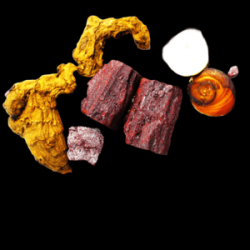
List of products by brand Dharmay
online platform that specializes in selling all the essential items required for performing Hindu religious rituals (pujas). Puja Samagri (puja materials) includes a variety of items that are used to offer prayers, perform rituals, and maintain spiritual practices. These items are typically used in worshiping deities, during festivals, or on special occasions.
-
Puja Thali (Puja Plate)
- A decorative plate used to hold the essential puja items. It is often made of brass, silver, or stainless steel and decorated with vibrant colors.
-
Incense Sticks (Agarbatti)
- Used for offering fragrance to the deity during puja. They symbolize the presence of divine energy and purify the environment.
-
Lamp (Diya) and Oil
- A small lamp, often made of brass or clay, which is lit with oil or ghee. Lighting a diya is considered auspicious and symbolizes the removal of darkness (ignorance) with the light of knowledge.
-
Coconut (Nariyal)
- Coconut is an essential item in many pujas, representing the universe and auspiciousness. It is typically placed on the puja thali or used as an offering.
-
Flowers and Garlands
- Fresh flowers like marigold, jasmine, and rose are offered to the deity. Flowers represent purity and devotion.
-
Fruits (Phal)
- Fruits are a common offering in pujas, symbolizing abundance and the harvest. They are placed before the deity as a token of gratitude.
-
Betel Leaves and Betel Nuts (Paan)
- Betel leaves and nuts are often used in pujas as part of the offering, especially during auspicious rituals like weddings and housewarming ceremonies.
-
Rice (Akshat)
- Uncooked rice is used as an offering during pujas and symbolizes prosperity and nourishment.
-
Kumkum (Red Powder)
- Kumkum is applied to the forehead of the deity or worshipers. It is also used to mark auspiciousness during ceremonies and rituals.
-
Haldi (Turmeric)
- Turmeric is a key ingredient in many pujas and is considered sacred and purifying. It is often used to apply to the deity or during preparation of offerings.
-
Chandan (Sandalwood Paste)
- Sandalwood is used for its cooling and calming properties. The paste is applied to the deity’s idols or to the forehead of worshipers.
-
Vibhuti (Sacred Ash)
- Vibhuti is a sacred ash that is applied during certain pujas, often symbolizing purification and spiritual progress.
-
Puja Bell (Ghanti)
- The bell is rung during the puja to symbolize the call to the divine and to announce the presence of the devotee.
-
Sweets and Prasad
- Sweet offerings like laddoos, modaks, and other Indian sweets are made during the puja and are distributed as prasad to the devotees.
-
Holy Water (Gangajal)
- Ganga water, or any other holy water, is used to purify the place, the offerings, and the worshipers.
-
Yantras
- A Yantra is a sacred geometric diagram used for meditation and invoking the deity. It is considered very powerful in Vedic astrology and spiritual practices.
-
Puja Books (Puja Granth)
- Books containing the mantras, prayers, and rituals specific to the puja being performed. Many shops provide these books in different languages for the convenience of devotees.
-
Mala (Prayer Beads)
- Mala beads, typically made of Rudraksha, Tulsi, or other sacred seeds, are used for chanting mantras during the puja.
-
Ghee and Camphor
- Ghee is used for lighting the lamp or offering to the deity, while camphor is used for aarti (the waving of light) during the puja.
-
Jal (Water)
- Pure water is offered to the deity and used for purification purposes in almost all pujas.